Exploring social, behavioral and cultural factors behind zoonoses

Between September and October 2025, we began the fieldwork for ZOE’s Work Package 2 (WP2), which focuses on understanding the social, cultural, and behavioral factors that link environmental degradation, biodiversity loss, and the emergence of zoonotic diseases. This first phase took place in our three Latin American case studies –Costa Rica, Guatemala, and Mexico.

WP2 is led by Prof. Adina Dumitru from the Universidade da Coruña. Dr. María Eugenia Ambort, also from the Universidade da Coruña, co-organized and facilitated the workshops on site with the support of local research teams.

In Costa Rica, the study is being carried out in the communities of El Rodeo and Ciudad Colón (Central Valley), coordinated by Dr. Andrea Cháves from the University of Costa Rica and director of INCIENSA. In Guatemala, Dr. David Morán and his team from Universidad del Valle de Guatemala are working with communities living in and around Tikal National Park, Petén. In Mexico, the research is based in several communities of the Puuc region, in the Yucatán Peninsula, coordinated by Dr. Carlos Ibarra (CINVESTAV) and Dr. Gerardo Suzán (UNAM).

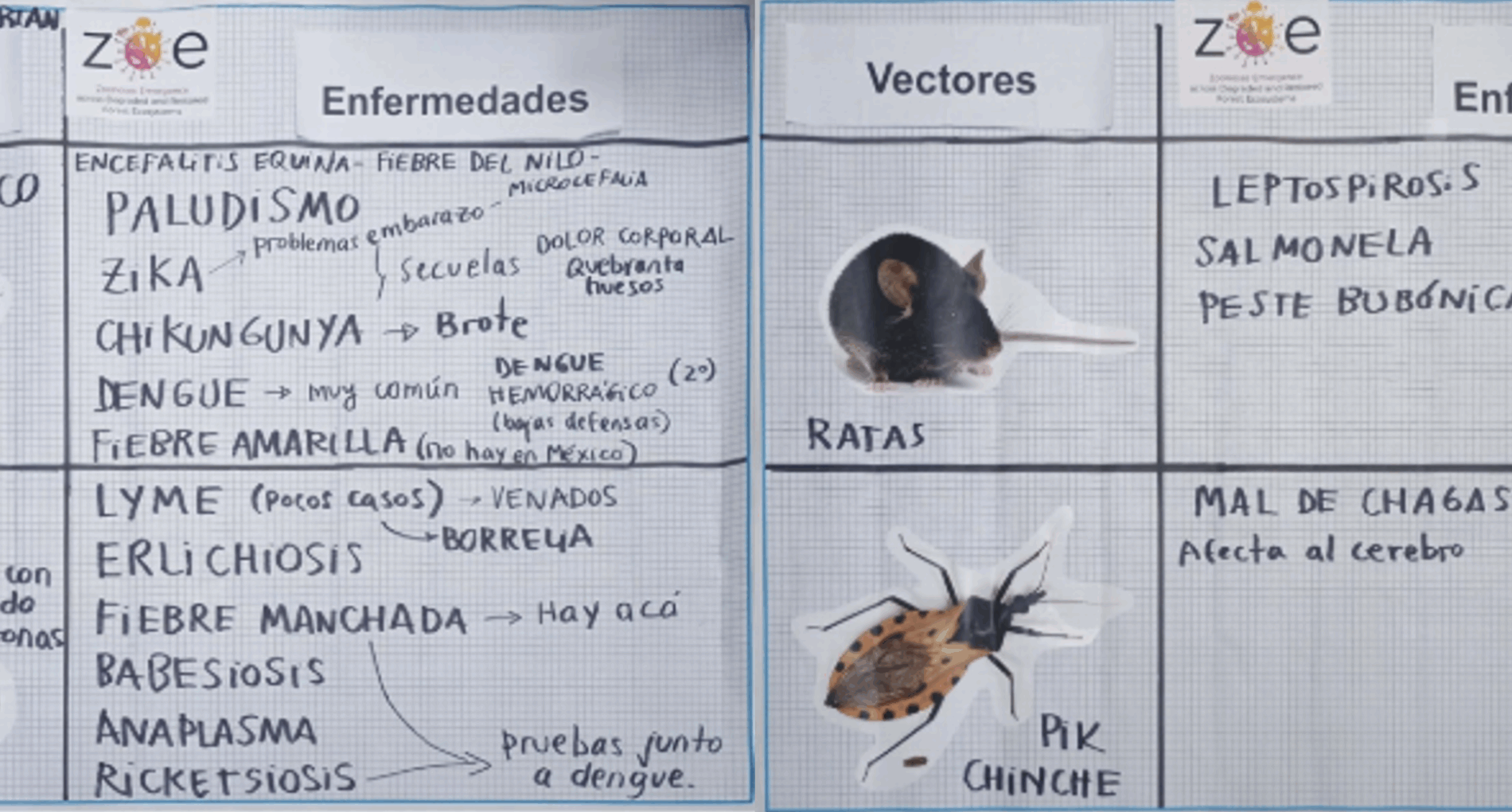
To begin this phase, participatory workshops with key stakeholders were held in each country: representatives from health institutions, schools and universities, environmental NGOs, community organizations, and local and national government offices. Workshops began with a collective discussion about the four main vectors explored by ZOE (rodents, mosquitoes, ticks, and kissing bugs) and the diseases most common in each region. Participants shared the local names for these animals and diseases, as well as recent outbreaks, and moved to everyday behaviors that increase the risk of zoonotic transmission, from direct contact with vectors or wild animals to indirect exposure through domestic animals that interact with wildlife.

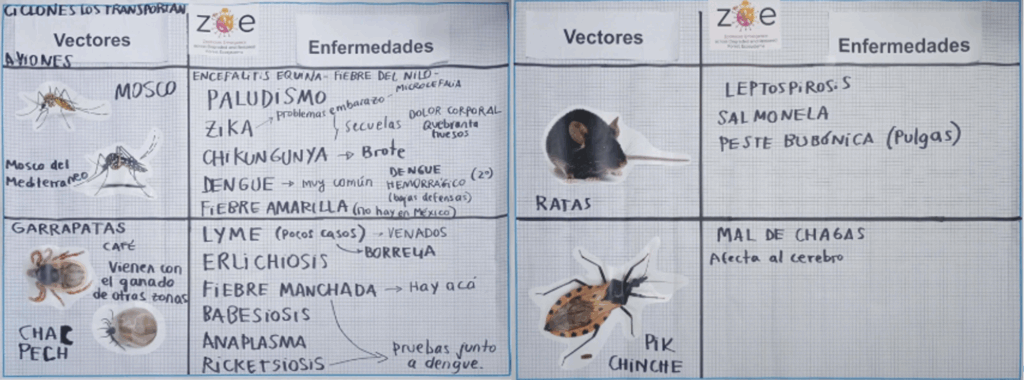
Fig. 1. Infographic synthetizing knowledge on vectors and diseases (07/10/2025, Casa de la Cultura de Oxkustzkab, Mexico)

Across the three countries, cattle ranchers, farmers, and hunters were identified as the most exposed groups due to their constant presence in forests and agricultural areas. Hunting, even though officially prohibited, remains a frequent practice, especially of birds, parrots, baby monkeys, or even wild boars.

Backyard farming, living close to the forest, or the spread of stray dogs are among the factors identified as leading to zoonosis spread. Cultural meanings and traditional beliefs also shape people’s relationships with animals. Species like owls, snakes, or opossums are sometimes associated with witchcraft or bad luck, leading to their persecution. Because these animals are natural predators of rodents, their disappearance contributes to increased rodent populations and, consequently, to higher health risks. Participants also spoke about the social dimension of land use: the shift from peasant agriculture to cattle ranching, while seen as a sign of economic progress, was also recognized as a factor that fosters tick proliferation, as livestock trade and movement connect distant areas and facilitate their spread.

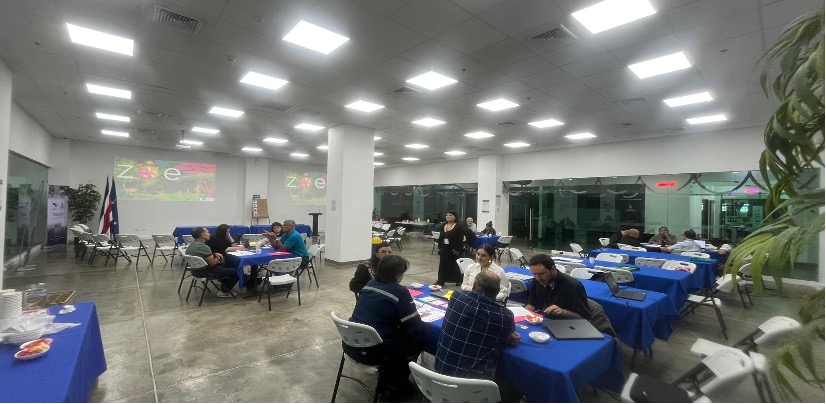
Fig. 2. Small groups discussion. (29/09/2025, Centro Nacional de Alta Tecnología (CENAT), Costa Rica).

Discussions also turned to living conditions and how structural inequalities make people more vulnerable to disease. Participants pointed to poor housing materials, lack of waste collection, and limited access to medical care as some of the key issues.

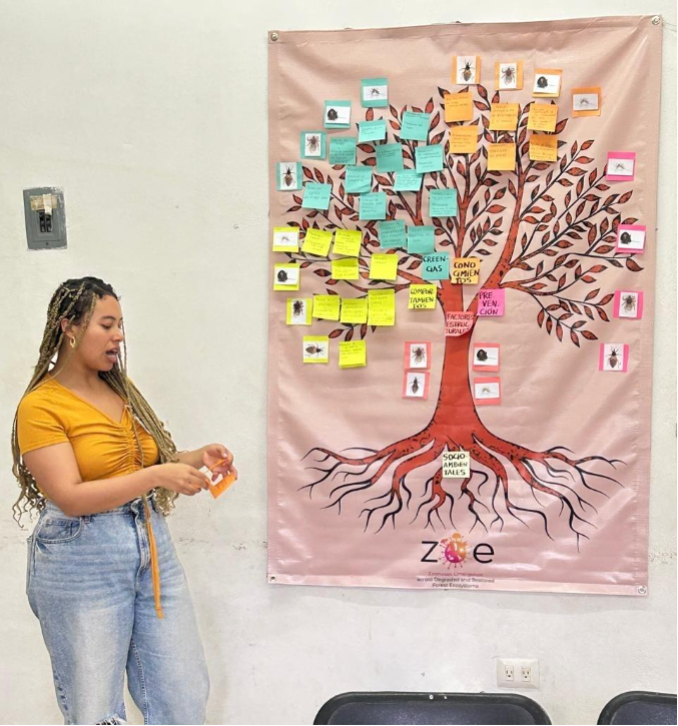
As a way of synthesizing the conversations, participants worked together to build a “knowledge tree.” The trunk represented structural conditions that are difficult for individuals to change — such as poverty or lack of infrastructure — while the branches illustrated cultural, behavioral, and preventive aspects that directly shape people’s relationships with their environment.

Fig 3. Sharing results on the tree infographic. (7/10/2025, Casa de la Cultura de Oxkustzkab, Mexico).

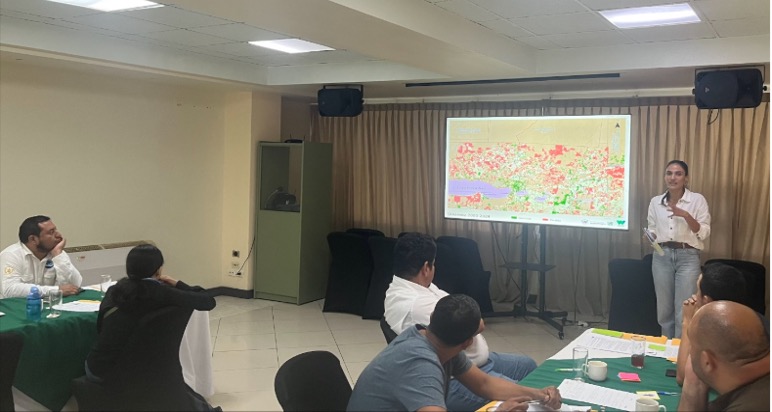
The final part of the workshops focused on how local landscapes have changed over the last 20 years. Across all three sites, global warming was perceived as a driving force behind many changes, affecting rainfall patterns, agriculture, and local biodiversity. Deforestation for farming, ranching, or housing was identified as one of the main pressures on the environment.

Fig. 4. Maps illustrating LULC changes. (02/10/2025, Flores, Petén, Guatemala).

We are deeply grateful to all the stakeholders who took part in these workshops, sharing their experiences and local knowledge about deforestation, biodiversity, and disease spread. Together, we built a collective understanding of the ways in which people, animals, and ecosystems coexist, and how social practices, beliefs, and living conditions shape health and environmental outcomes, key for the co-creation of solutions. Also, the dedication of our Latin-American partners, their thoughtful preparation and their generosity in sharing their in-depth local knowledge with us have been key enablers of this work.

Stay tuned, soon we’ll be sharing new reports from our workshops in European case studies!